From Farm to Plate: How Organic Food Supports Indian Farmers
16-06-2025
Introduction
In the heart of India’s villages lies the backbone of our nation—farmers. For generations, they have toiled to bring fresh and nourishing food to our plates. Today, the organic movement in India is transforming the way we perceive and consume food. It’s not just about healthier choices for families; it’s about uplifting rural farmers, preserving ancient traditions, and protecting the environment.
When you choose to buy fresh produce or other organic food products from an organic grocery store or online platforms, you’re making a powerful statement. You’re saying “yes” to better health, cleaner farming practices, and a more sustainable future. Let’s explore how organic food directly supports Indian farmers and the planet.
The Revolution of Organic Farming in Rural India
Organic farming has sparked a quiet revolution across rural India. Unlike conventional farming, which relies on synthetic fertilizers and pesticides, organic methods use natural techniques such as composting, crop rotation, and bio-pesticides.
For farmers, this means a significant reduction in costs. The high price of chemical inputs in conventional farming often traps farmers in cycles of debt. Organic farming breaks this chain by focusing on affordable, eco-friendly practices. This transition empowers farmers to produce chemical-free crops while improving the health of their soil and environment.
Farmers involved in organic cultivation are also finding better market opportunities. With the rising demand for organic food products, their produce is fetching premium prices. Whether it’s through local organic markets, cooperatives, or online platforms, Indian farmers now have more avenues to sell their goods at fair rates.
Preserving Traditional Farming Practices
India’s agricultural history is rich with sustainable practices that align closely with organic farming principles. Before the advent of industrial agriculture, methods like natural fertilization, mixed cropping, and seed preservation were common.
Organic farming revives these time-tested techniques, ensuring they remain relevant in today’s world. Farmers are increasingly using indigenous seed varieties, which are not only resistant to local pests but also help preserve biodiversity. Additionally, techniques such as intercropping—where multiple crops are grown together to enhance soil health—are making a comeback.
When you buy fresh produce and organic groceries, you’re contributing to the survival of these traditional practices. You’re supporting a system that values nature and harmony, which has been a cornerstone of Indian farming for centuries.
Economic Empowerment Through Organic Farming
For decades, small-scale farmers in India have struggled with financial instability due to the high cost of inputs and fluctuating market prices. Organic farming offers a path to economic empowerment by providing farmers with:
- Reduced Costs: By eliminating synthetic chemicals and fertilizers, farmers save significantly on input costs.
- Higher Earnings: Organic produce often fetches premium prices in local and global markets.
- Market Access: With the rise of e-commerce and specialized organic fairs, farmers now have direct access to consumers willing to pay for quality.
Government initiatives like the Paramparagat Krishi Vikas Yojana (PKVY) are playing a crucial role in this transformation. These programs provide financial assistance, training, and certification support to farmers transitioning to organic methods. With this backing, farmers can offer a wide range of organic food products, from pulses and rice to fresh vegetables and spices.
Protecting the Environment, One Field at a Time
The benefits of organic farming extend far beyond farmers’ livelihoods—it’s also a boon for the environment. Conventional farming practices, which rely heavily on synthetic chemicals, have led to significant environmental degradation. From soil erosion to water contamination, the consequences are alarming.
Organic farming addresses these issues head-on by:
- Enhancing Soil Health: Natural compost and crop rotation improve soil fertility, ensuring sustainable yields over time.
- Protecting Water Sources: By avoiding chemical runoff, organic farming keeps rivers, lakes, and groundwater clean.
- Encouraging Biodiversity: Organic fields are havens for birds, bees, and other species, promoting a balanced ecosystem.
When you choose chemical-free groceries, you’re supporting farming practices that protect the planet for future generations. Every purchase—whether from an organic grocery store or an online platform—reinforces the importance of sustainable agriculture.
Challenges Faced by Organic Farmers
While organic farming offers numerous benefits, it’s not without its challenges. Small-scale farmers often face hurdles such as:
- Certification Costs: The process of obtaining organic certification can be expensive and time-consuming.
- Market Awareness: Many consumers are still unaware of the benefits of organic food, limiting demand in certain areas.
- Transition Period: Switching from conventional to organic farming involves an initial drop in yield, which can deter farmers without adequate support.
These challenges, however, are being addressed through collaborative efforts between the government, private organizations, and consumer awareness campaigns. By choosing organic food products, you’re contributing to a growing market that encourages more farmers to adopt sustainable practices.
Building Stronger Connections Between Farmers and Consumers
One of the most inspiring aspects of the organic movement is the bond it fosters between farmers and consumers. In the past, the gap between the two was vast, with middlemen controlling prices and reducing farmers’ earnings. Today, organic markets and e-commerce platforms are bridging this divide.
When you buy organic groceries directly from a farmer’s cooperative or an organic grocery store, you’re supporting fair trade and ethical sourcing. Online platforms make it easy to access a wide range of organic food products, ensuring transparency in sourcing and pricing.
This direct connection empowers farmers while giving consumers confidence in the quality of their fresh produce.
Why Your Choice Matters
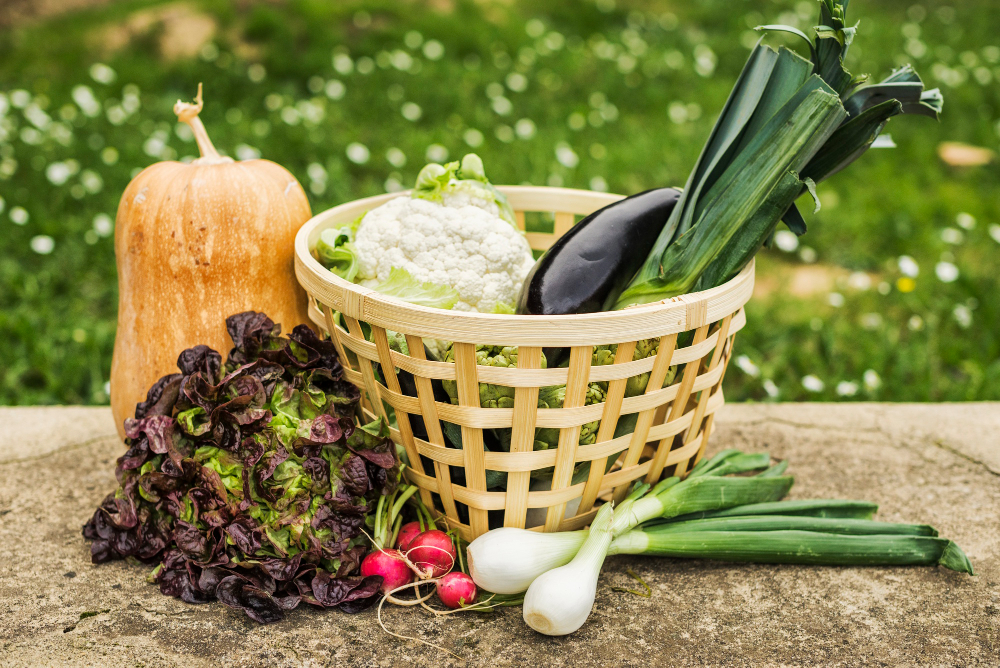
Every decision to include chemical-free groceries in your diet has a ripple effect. When you buy fresh produce grown organically, you’re not just prioritizing your family’s health—you’re contributing to a larger movement that uplifts rural farmers, protects traditional farming methods, and nurtures the environment.
Imagine the collective impact if every household in India made the switch to organic groceries. Farmers would thrive, ecosystems would recover, and future generations would inherit a sustainable agricultural system.
Conclusion
The journey from farm to plate is a story of hope, resilience, and shared prosperity. By choosing organic food products, you’re investing in a future where farmers are empowered, traditions are preserved, and the planet is protected.
Whether you shop at an organic grocery store or prefer to buy organic food online, your choices make a difference. Embrace the shift to chemical-free, sustainable food, and be part of a movement that uplifts Indian farmers and ensures a healthier, happier tomorrow.